Most drivers treat a car wash as vehicle care, and for removing loose dirt it does the job. But a wash and a detail are not the same thing, and the gap between them is wider than many owners realize. A wash rinses the surface; car detailing cleans, decontaminates, corrects, and protects a vehicle in ways a wash never touches. Understanding that difference is what helps an owner decide when a quick wash is enough and when a vehicle needs the deeper care that detailing provides. Sun Tint has offered professional car detailing services across the Louisville metro and Southern Indiana for over 40 years.
The confusion is understandable, because both start with getting a car clean. The difference is in how far each goes. A car wash is a surface rinse designed to remove the visible dirt that accumulates between washes. Car detailing is a thorough process that addresses the contamination bonded into the paint, the wear on the finish, the grime worked deep into the interior, and the protection the vehicle needs going forward. One maintains appearance for a few days; the other restores and protects condition.
A car wash, whether automatic or by hand, removes the loose dirt sitting on the surface, and that is where it stops. It does nothing about the contaminants that bond chemically and mechanically to the clear coat: the industrial fallout, brake dust, rail dust, tree sap, and iron particles that a rinse cannot lift. Those contaminants keep working on the paint, causing the rough texture, dullness, and staining that build up over time. This is the layer that detailing addresses through clay bar and iron decontamination, and it is invisible until a detailer removes it and the owner feels the difference.
The interior tells the same story. A wash does nothing for the inside of a vehicle, and even a quick interior wipe leaves the ground-in grime that daily use works into the carpets, upholstery, and crevices. Salt tracked in over winter, spilled drinks, pet hair, and the general soil of daily driving settle deep into the fibers, where only a vacuum followed by shampoo and hot water extraction reaches them. Professional car detailing services treat the interior as thoroughly as the exterior, which a wash never attempts.
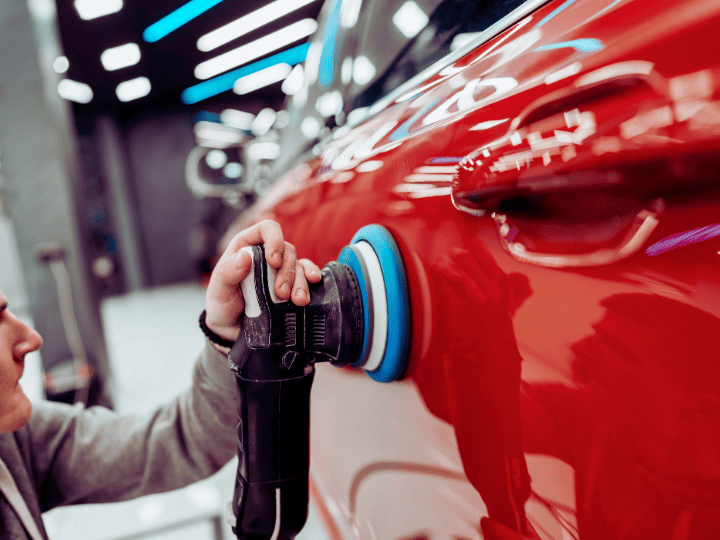
There is a further problem with relying on washes, especially automatic ones: some of them add damage. The brushes on many automatic car washes drag grit across the paint, adding the fine swirl marks and scratches that dull a finish in sunlight. Improper hand washing does the same when grit is ground across the surface with a dirty sponge. Part of the value of professional car detailing is that it uses methods designed to clean without adding this damage, and it can correct some of the wear that repeated washing has already caused.
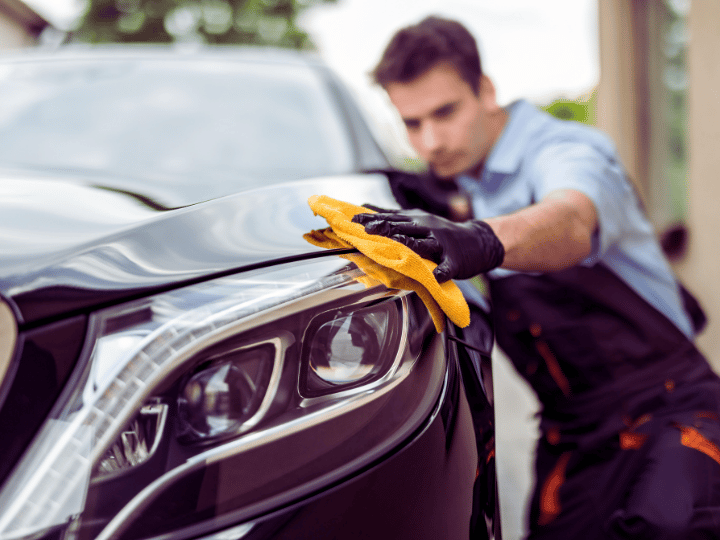
Where a wash removes surface dirt, car detailing restores and protects the whole vehicle. On the exterior, it decontaminates the paint, treats the wheels and glass, addresses issues like hazy headlights, and lays down a protective layer of wax or sealant that shields the clear coat. On the interior, it deep-cleans the carpets and upholstery, conditions the leather, treats the hard surfaces, and eliminates odors at the source. The result is a vehicle that is not just rinsed but genuinely restored, inside and out, and set up to stay that way longer.
Protection is the piece a wash cannot offer at all. Car detailing services finish by protecting the surfaces they have cleaned, and that protection can be extended further with a ceramic coating that guards the paint for the long term or paint protection film that shields high-impact areas from rock chips. These options turn a detail from a one-time cleaning into lasting protection for the finish. An owner who values a vehicle, whether for resale, appearance, or simply the pleasure of driving something clean, gets far more from detailing than from any number of washes.

Contaminants like brake dust, rail dust, and industrial fallout bond to a clear coat and cannot be removed by washing alone, which is why detailing uses a clay bar and an iron treatment to pull them out and leave the paint smooth.
Hot water extraction injects and then draws water back out of carpet and upholstery fibers, lifting embedded dirt and salt that a vacuum leaves behind, which is why it is a standard interior detailing step rather than a simple surface wipe.
The fine swirl marks visible on many vehicles in direct light are largely created during washing and drying, when grit is dragged across the paint, which is why wash method matters as much as wash frequency.
None of this means a car wash has no place. A regular wash is a reasonable way to keep a vehicle clean between details, removing the loose dirt and road film that accumulate week to week. The point is that a wash maintains, while a detail restores and protects. A vehicle benefits from regular washes and periodic professional car detailing, each doing its own job. Knowing which the vehicle needs at a given moment, a quick clean or a full restoration, is what lets an owner care for it sensibly.
Certain situations call clearly for detailing rather than a wash. Preparing a vehicle for sale or trade-in, where condition affects value. Reversing a season of winter salt and grime. Restoring a neglected interior. Protecting a new vehicle before daily use takes its toll. In each of these, a wash falls short and car detailing services are what the vehicle actually needs. Recognizing those moments is part of getting the most life and value out of a vehicle over the years an owner keeps it.
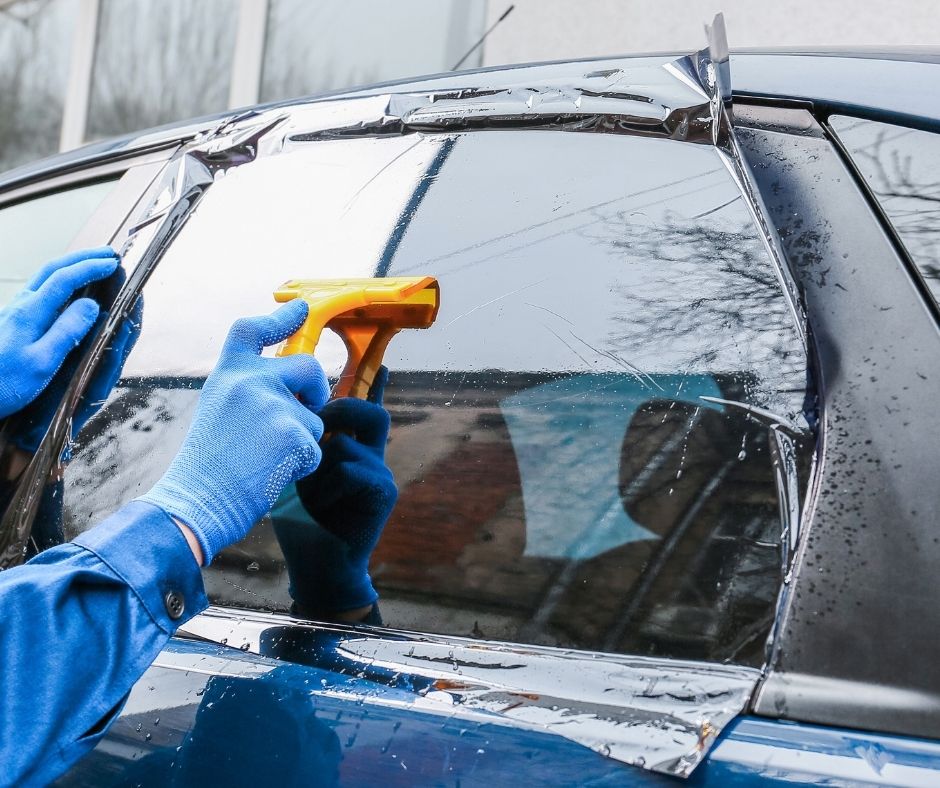
Handling detailing, tint, ceramic coating, and paint protection film under one roof adds a practical advantage a car wash cannot offer. An owner who wants a vehicle cleaned, protected, and finished can have all of it coordinated by the same team, rather than piecing it together across separate shops. The detail prepares the surfaces, and the protective services build on that clean foundation, so the results work together. For an owner investing in a vehicle's condition, that coordinated, one-stop care is a meaningful step up from a wash.
Sorting out how often to wash and how often to detail helps an owner care for a vehicle sensibly. A regular wash, every week or two depending on conditions, keeps the loose dirt and road film from accumulating and is a reasonable maintenance habit. A full detail a few times a year, timed to the seasons and how the vehicle is used, does the deeper work of decontamination, correction, and protection that a wash cannot. The two are complementary: frequent washing to maintain, periodic detailing to restore and protect. An owner who does both keeps a vehicle in far better condition than one who relies on washing alone.
Certain moments call clearly for a detail rather than a wash. The end of winter, when road salt and grime need stripping off. Before selling or trading a vehicle, when condition affects value. After a season of heavy outdoor parking, sun, or pollen. When an interior has reached the point where a wipe-down no longer freshens it. Recognizing these moments, and treating them with a full detail rather than another wash, is part of getting the most life and value out of a vehicle over the years.
The interior is where the gap between a wash and a detail is widest, because a wash does nothing for it at all. Daily use works soil deep into the carpets and upholstery, salt and moisture settle into the fibers, spills and food leave residue, and odors take hold in a way that surface wiping never clears. A full interior detail vacuums, shampoos, and extracts that embedded grime, conditions the leather and surfaces, and eliminates odor at the source. For anyone who spends real time in a vehicle, that interior care is often the most noticeable result of a detail, and it is something a wash simply does not offer.
Interior condition also affects the value and longevity of a vehicle in ways owners underestimate. Upholstery and surfaces that are kept clean and conditioned wear better and last longer than ones left to accumulate grime and dry out, and a fresh, clean interior is one of the first things a buyer judges. Regular interior detailing protects the part of the vehicle the owner actually lives in, which is reason enough to treat it as more than an afterthought to the exterior wash.
Not every detail is equal, so the choice of shop matters. An owner is well served by a detailer with real experience across many vehicles, professional-grade products and equipment, and a dedicated indoor bay that allows careful work under proper lighting. Transparent pricing shared up front, so there are no surprises, and a shop that stands behind its work round out what to look for. A detailer who brings these to the job delivers a result worth the investment, while a rushed, poorly equipped effort can disappoint or even add damage. The right shop is what turns detailing from an expense into value.
Underneath the appearance question is a value question, and it is where the difference between washing and detailing matters most over time. A vehicle that is only ever washed accumulates the bonded contamination, oxidation, and interior wear that steadily lower its condition and its worth. A vehicle that is detailed periodically has that damage addressed and its surfaces protected, so it holds condition and value far better across the years an owner keeps it. For anyone who sees a vehicle as an investment worth protecting, that long-term difference is the strongest argument for detailing over washing alone.
The protection that a detail provides, and that a wash cannot, is central to that value. Decontaminated, sealed, or coated paint resists the contamination and fading that dull an unprotected finish, and a conditioned interior wears better than a neglected one. These protective effects compound over time, keeping a detailed vehicle ahead of one that is only washed. When it comes time to sell, that accumulated care shows in both the condition and the price, which is the practical payoff of treating detailing as part of owning a vehicle.
The choice, in the end, is not really between a wash and a detail, since a vehicle benefits from both. It is about understanding that they do different jobs and using each for what it does well. A wash keeps a vehicle presentable week to week; a detail restores and protects it a few times a year and at the moments that matter, like the end of winter or before a sale. An owner who grasps that difference cares for a vehicle sensibly, spending on the deeper work when the vehicle needs it and keeping up with washes in between.
Sun Tint is a vehicle care company with over 40 years of experience and six locations across Kentucky and Southern Indiana, offering car detailing services alongside window tint, ceramic coating, and paint protection film, all done in-shop in dedicated detailing bays with professional-grade products. With trained technicians, a one-stop approach, and free quotes shared before any work begins, the team restores and protects vehicles far beyond what a wash can reach. To move past the car wash and give a vehicle real care, contact Sun Tint for car detailing services or call (502) 254-0001 for a free quote.
Redirect to:
|
This page is a redirect. The following categories are used to track and monitor this redirect:
|